

Search Disrupted Newsletter (Issue 32)
ChatGPT cites 20% fewer sites after the GPT-5.3 switch (so how do you stay a cited brand), GA4's new AI Assistant channel measures only the visible trickle, Lily Ray on why AI raises the content-quality floor but never the ceiling, ChatGPT's audience expands across both who's using it and what for, and Codex on mobile confirms search was always one action inside a larger task.
ChatGPT just cut 20% of the sites it cites
New research on how ChatGPT search works found that after the GPT-5.3 switch, the model cites about 20% fewer websites per response.
The citations that survive go to higher-authority domains.
So how do you become a high-authority domain? Two main things, at different layers of the stack.
First, the boring one: make sure the AI bots can reach your site. A surprising number have a robots.txt block or a WAF / Cloudflare rule that returns a 403 to OpenAI’s crawler (and Anthropic’s, Perplexity’s, Google’s).
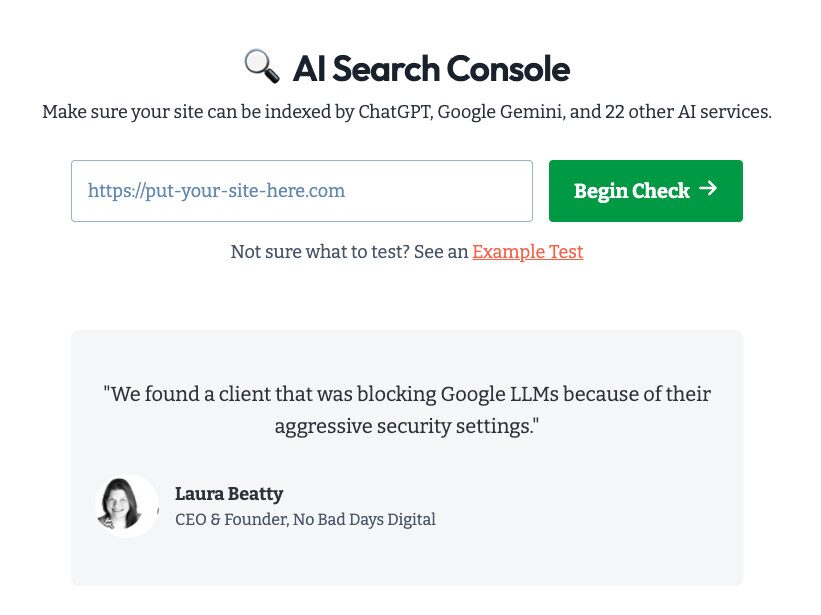
If the model can’t fetch your page during a fan-out query, you can’t be cited. The user agents are well-known, so we built the public AI Search Console to test for this. Anyone can use it, no account required.
Second, the harder one: brand reputation in the training data. Citations combine what the model already knew (how much the web talks about you) with what it can fetch live. Both feed the decision.
If your brand isn’t in the training data to begin with, no amount of on-page optimization will fix that.
Link: Inside ChatGPT Search: web.run, fan-out queries, and AI visibility
GA4 added an AI Assistant channel. Useful, but don’t get distracted by the number.
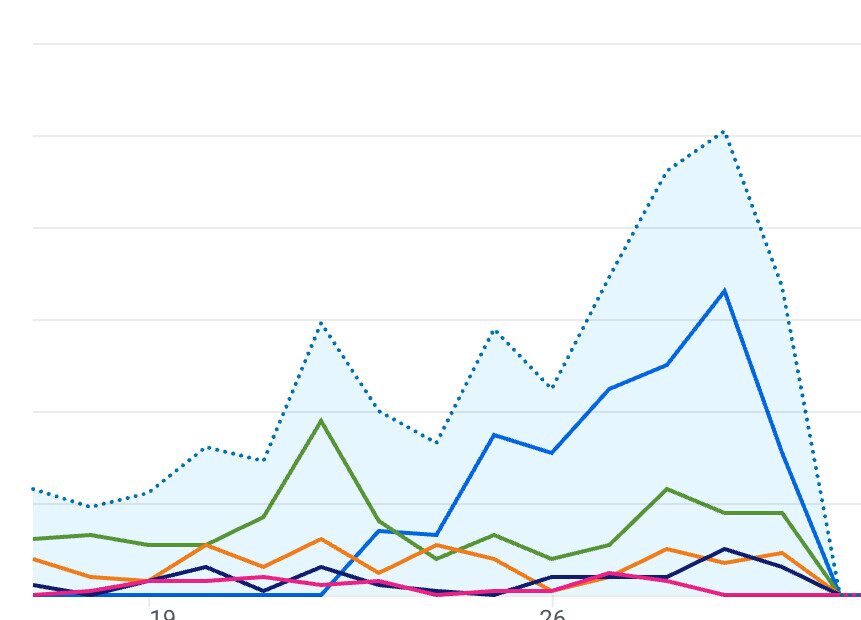
Google Analytics added a new “AI Assistant” channel that automatically labels traffic from ChatGPT, Gemini, Claude, and other AI tools. For the first time, you can open GA4 on a Monday morning and see how much referral traffic your AI presence is driving, broken out cleanly from organic search.
But the bigger story is the one this metric doesn’t capture. So much of the AI search journey now happens entirely inside the assistant. Someone asks ChatGPT for a recommendation, it summarizes three options, the user picks one, and they never click. Or they get a partial answer in an AI Overview and never click on anything at all. The AI Assistant channel will show you the trickle that does come through, and it’ll be easy to look at a small number and conclude “AI traffic doesn’t matter.”
It does matter. The number you can measure is just the visible part. The work is making sure the core information about your brand, your product, what makes you different is being pulled into the AI conversation in the first place, not just optimizing for the tail of users who click through.
Use the new channel. Don’t let it shrink your thinking.
Link: Google Analytics: AI Assistant channel (official docs)
Data on how to win with AI content
Lily Ray published research this week looking at what works (and what doesn’t) when you scale AI content. Go read it. The hot takes I’ve seen on socials about the article miss a lot of the real thought and nuance that went into the analysis.
The actual takeaway isn’t a flat “AI content is bad.” AI is hugely helpful in creating content. What doesn’t work is churning out copies of what’s already out there onto your site. That part isn’t going to help you long-term.
This fits with my own thinking about why. AI raises the floor of content quality, because the models are trained on what’s already out there. The output is by definition somewhere in the middle of the pack.
But it doesn’t lift the ceiling. The ceiling is human experience, new thought, information gain, and your own perspective.
If your content is AI-rewritten versions of pages that already rank, you’re not bringing anything to the table that the model can’t already produce for the next person. The version of AI content that works is the one where the human brings the ceiling and AI helps with everything below.
Not coincidentally, this is exactly the approach we take with Knowatoa and our research-heavy content generation.
Link: It Works Until It Doesn’t: AI Content Risks (Lily Ray)

ChatGPT’s audience just aged ten years
I’m always interested in the demographic studies of who’s using AI tools. They tend to surface unexpected uses and people jumping in for new and interesting problems I didn’t even know existed.
OpenAI’s Q1 2026 update dropped this week. The fastest growing user segment on ChatGPT is now people over 35, and the gender split has narrowed substantially.
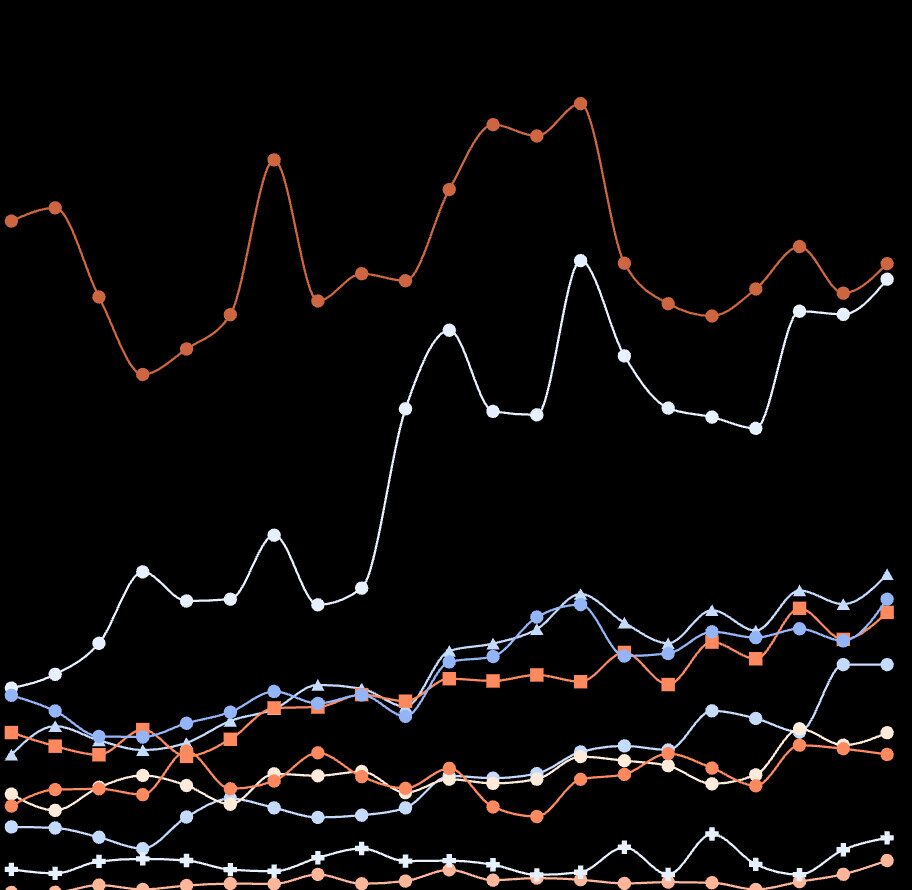
The report shows growth in two directions at once: more new kinds of people using AI, and the people already using it reaching for it on more new kinds of problems.
The adoption curve looks a lot like what the internet went through and what smartphones went through. Each started as a niche technical thing for early adopters and turned into a normal part of everyday life. AI is on the same trajectory, just compressed into a shorter window.
This is a trend we’re seeing across all the different AI tools, not just ChatGPT, where AI-assisted search and decision making is becoming mainstream.
Link: How ChatGPT adoption broadened in early 2026
Codex on your phone: search becomes doing
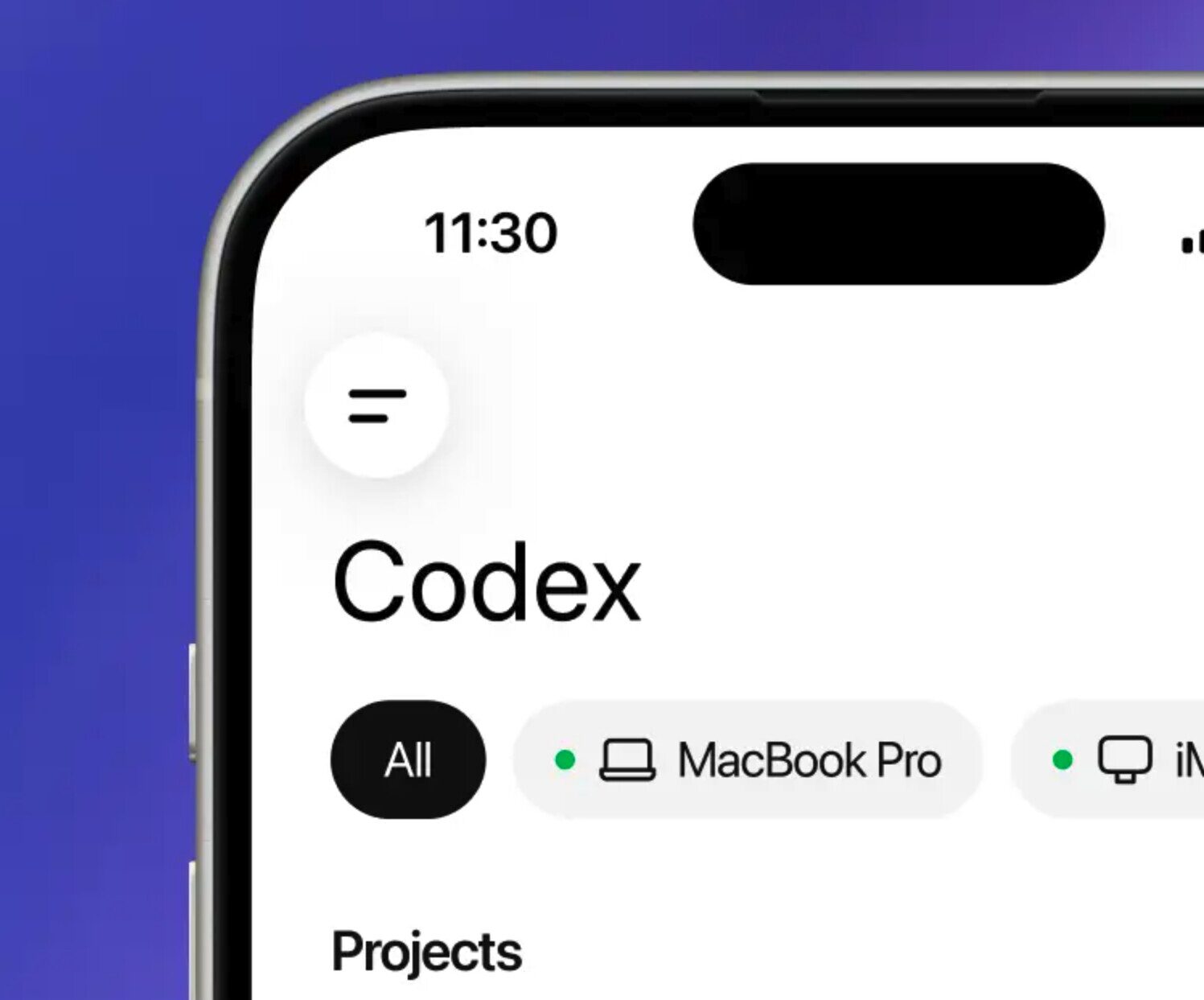
OpenAI shipped Codex inside the ChatGPT mobile app this week. You can monitor and approve coding tasks from your phone while the agent works elsewhere. Developer story on the surface, broader shift underneath.
It used to feel like search was over there: you’d be working on something, break out to do a search, come back. In reality you were always after a business goal, a family activity, or a thing to buy. Search was one action inside the larger thing. AI just makes that obvious.
Codex on mobile, Notion’s new agent platform, and the SEOs I’m seeing pick up Claude Code all point at the same shift: “I’m doing stuff that happens to look up information.” Search is folded inside the larger task the agent is doing.
If your marketing depends on being found during the lookup step, the only way to stay visible is to be part of what the agent already knows. Back to the training-data and reachable-page problem.
Link: Work with Codex from anywhere
Thanks
Thanks for reading. These take real time to put together and the replies are what keep them going. Hit reply and tell me what you’re seeing on your dashboards, especially if any of the citation patterns above match (or contradict) what’s happening to you.


p.s. It would really help me out if you could Follow me on LinkedIn