

Search Disrupted Newsletter (Issue 39)
The B.I.S.C.U.I.T. framework for AI search, Cloudflare's September 15 defaults that might block Googlebot, what 1 million keywords say about the search shift, and why the chatbot interface is on its way out.
The B.I.S.C.U.I.T. Framework for AI search optimization
One of the first pieces of content I put up on the Knowatoa site was the B.I.S.C.U.I.T. framework, and it’s stayed our most popular piece since. I think that’s because SEO has cycled through a lot of fads and a lot of thrashing over the last few years, and BISCUIT gets down to nailing the basics in a consistent way. Which is what you have to do to succeed long-term at getting search traffic for your site.
Each letter is a lever:
- B is for Bots. Are the AI crawlers actually reaching your content, or is your CDN returning 403s?
- I is for Indexing. Have the models absorbed your content into their weights, or are you only reachable through retrieval?
- S is for Sentiment. When a model mentions your brand, what does it say?
- C is for Competitive ranking. Who shows up alongside you, and who shows up instead of you?
- U is for Unique data sources. What do you publish that no one else does, the thing the model can only get from you?
- I is for Intelligence. Do the answers about your category reflect current reality, or 2023 training data?
- T is for Truthfulness. Do the models get the basic facts about your product right?
None of these are “AI hacks.” They’re all positive marketing actions that also matter for traditional search, PR, and product content. That’s the point. BISCUIT is a way to talk to executives about AI search without asking them to fund a new discipline nobody can measure.
Link: The B.I.S.C.U.I.T. Framework - AI Search Optimization Guide

Cloudflare’s new defaults might block Googlebot
On September 15, Cloudflare’s new bot-management defaults go live for tens of millions of sites. Crawlers get sorted into three buckets (Search, Agent, Training) that you can allow or block independently. The problem is inside the Training bucket.
Google’s AI Overview crawler and Google-Extended both come from Googlebot IP ranges, and the Training bucket can pick up Googlebot fetches that power AI Overviews. Block Training and you suppress your own AI Overview appearances while regular Google indexing looks fine.
Three things to check before September 15:
- Log in to Cloudflare and audit your current bot rules. If you haven’t touched them since 2024, you’re on the old defaults.
- Decide what “Training” means for you. Blocking model training is defensible. Blocking your own AI Overview traffic is not. The default policy doesn’t sort them.
- Watch your Search Console AI Overview impressions after the 15th. A sudden drop is the first signal something’s wrong.
The broader pattern: “just block AI crawlers” is operationally impossible. The same fetch that trains a model this week can serve an AI Overview next week. If you want to know whether your site can still be successfully crawled after the 15th, use our AI Search Console.
Link: Your site, your rules: new AI traffic options for all customers

What 1 million keywords reveal about AI’s impact on search
Search Engine Land ran the numbers on 1 million tracked keywords this week. Search demand isn’t shrinking. It’s shifting.
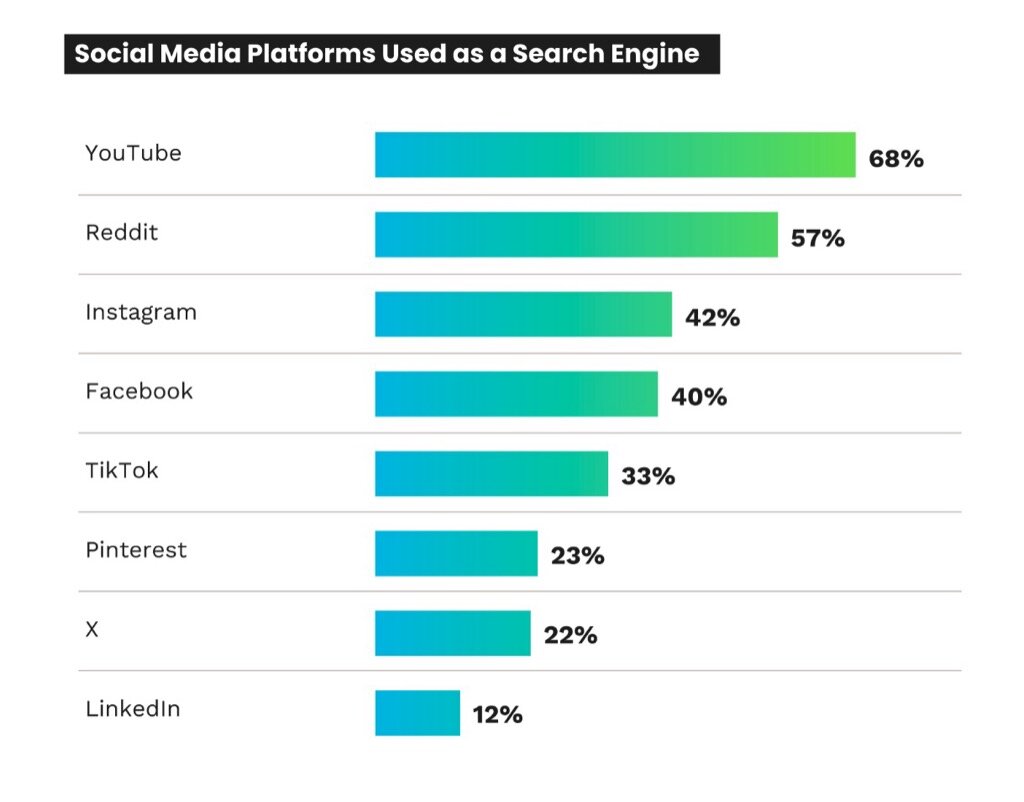
People are continuing to search for answers to the problems they have. Where they’re searching has definitely changed. They’re still leaning on Google and its AI Overviews and AI Mode. Dedicated conversational AI tools like ChatGPT and Claude are getting more of the load. And they’re searching directly on social media sites.
There’s a lot of interesting data in here, broken out by vertical, and it’s worth a read. My one complaint is that the analysis still treats Google as separate from “AI search.” At this point that distinction is just weird. Every query Google gets is evaluated for whether to serve an AI Overview or summarize the result, and AI Mode is being pushed hard across the product. All of this is AI search, and all of it demands a different content strategy than what we were doing a couple of years ago.
Two questions to answer this quarter:
- Which of your top-100 keywords are declining, and is it AI or a category shift?
- Which adjacent queries are growing that you don’t rank for?
Less dramatic than “content marketing is over,” but it’s a good indication of where you should spend your budget and focus.
Link: What 1 million keywords reveal about AI’s impact on search
The twilight of the chatbots
Ethan Mollick argues this week that the chat interface is on the way out. Replacing it is the agent: an AI that runs for hours or days, calling tools, filing tickets, reading your inbox, and reporting back.
If Mollick is right (and every model provider is shipping features that assume he is), “AI search visibility” is a transitional category. The optimization target becomes the tool graph an agent consults when its user says “compare vendors for X,” not the answer in someone’s ChatGPT window.
Knowatoa is ahead of the game on this with how we track sentiment, which is how you get included, how you get recommended out of the pool of answers that the agent finds. If you’re planning where AI search sits in your 2027 budget, plan for the version where the human isn’t in the loop.
Link: The twilight of the chatbots

Thanks
Thanks for reading. These take real time to put together and the replies are what keep them going. Hit reply and tell me what you’re seeing on your dashboards.

