

Search Disrupted Newsletter (Issue 40)
ChatGPT's Ads Manager adds suppression lists, Ask YouTube rolls out to every US desktop, GPT-Live puts web search inside voice conversations, and Search Console starts measuring your Instagram and TikTok posts.
ChatGPT’s ad platform updates
I’ve been experimenting with ChatGPT ads for Knowatoa myself and have had pretty decent results, so this week’s batch of Ads Manager upgrades caught my eye. The big new feature is suppression lists: previously you couldn’t exclude audiences from a campaign, which made targeting difficult. It’s part of the overall maturing of tooling we’re seeing in the paid AI ad space, and it makes the channel more and more attractive.
My recommendation is to treat it as supplementary to your organic efforts: your customers are already asking ChatGPT questions, and now there’s a paid lever next to the organic one.
Link: ChatGPT Ads: New overview tab, suggested ad drafts, new ad formats and more
Ask YouTube is now on every US desktop
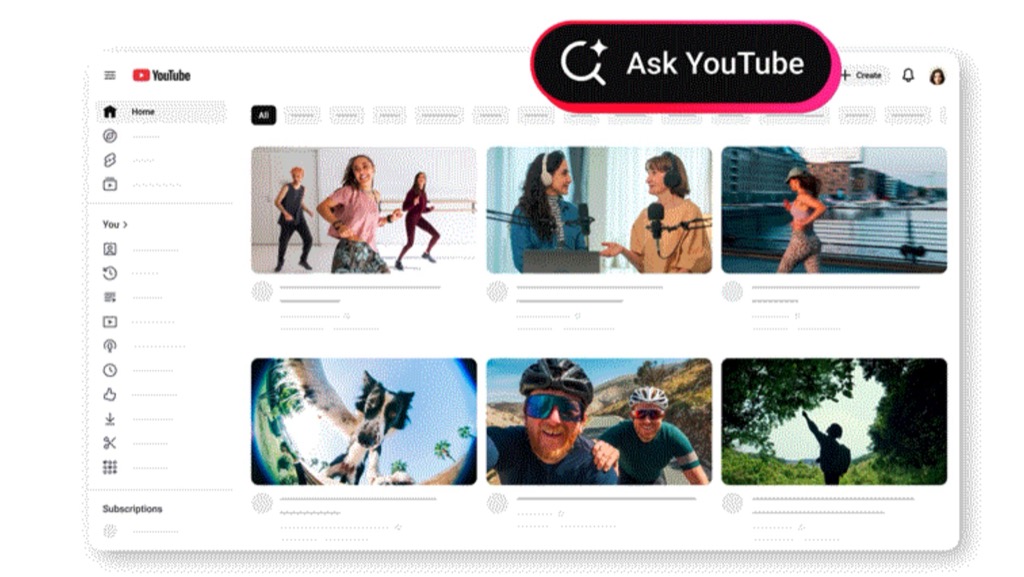
For search content people, video keeps climbing the priority list. Our How AI Search Cites YouTube report found that YouTube is the most cited source across pretty much every AI search service we track, and now YouTube itself has an AI answer layer for everyone: as of July 6, Ask YouTube is live for every signed-in US viewer 13 and up searching in English on desktop, expanded from an opted-in Premium test back in April.
Natural-language questions get AI answers built from text, video clips, long-form videos, and Shorts, with more devices and languages coming “in the coming months.” A positive if you’re tracking views for your YouTube videos: views from Ask YouTube count toward your total view metrics. And featured videos show the title and channel name, unlike getting summarized in AI Overviews.
It’s one more step in the shift away from general search and toward social search: YouTube, Instagram, TikTok, and the rest.
Link: Try a new conversational search experience with Ask YouTube
GPT-Live tests the boundaries of “visibility”
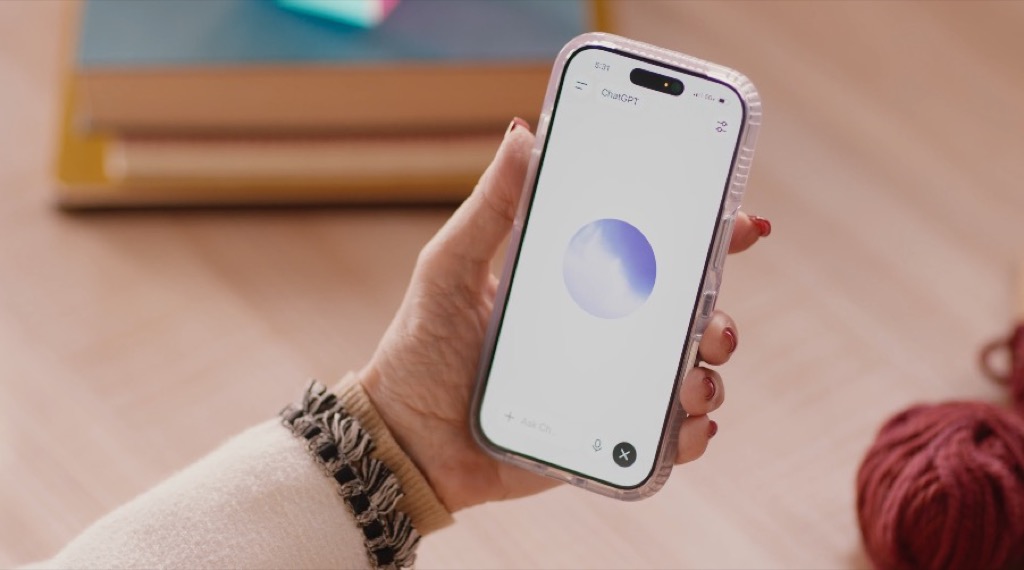
Google’s publicly stated that non-text search, voice included, is now in double digit percentages. And so it’s interesting to me to see ChatGPT’s GPT-Live-1 model coming online: a new generation of voice model rolled out this week (default on paid plans, with a mini version for Free) that listens while it speaks, interrupts less, and waits when you pause. OpenAI says more than 150 million people already use ChatGPT Voice every week.
The search-relevant mechanics: when a voice question needs current information, GPT-Live hands off to a frontier model to run a web search, then folds the answer back into the spoken conversation. That handoff means the model’s underlying opinion of your brand shapes what gets said out loud, so the sentiment attached to your name matters as much as whether it comes up. If you’re not sure how the AI models view your brand, try out Knowatoa to find out where you stand.
Voice also settles an old argument about citations. In a spoken answer, a citation is invisible. The only visibility that counts is being directly recommended, and getting there takes tracking and strategy: knowing where you’re merely cited, where you’re actually recommended, and what the models think of you along the way.
Link: Introducing GPT-Live
Search Console will now measure your social posts
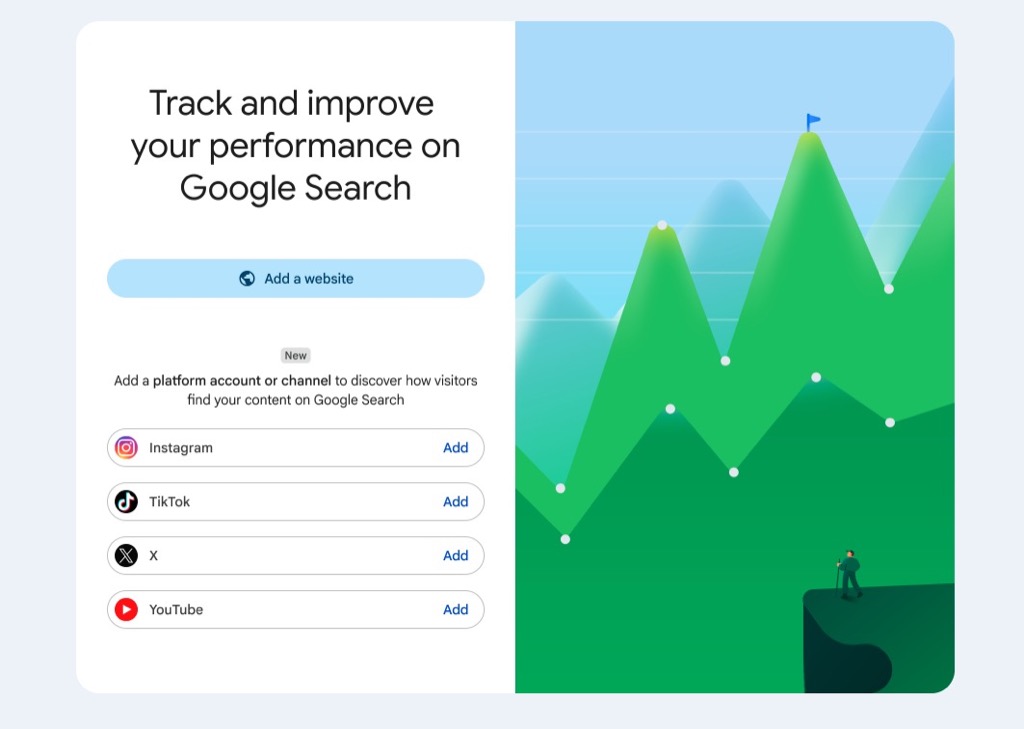
Google is adding “platform properties” to Search Console: connect your Instagram, TikTok, X, or YouTube account and get reports on how those posts perform in Google Search and Discover, including clicks and impressions by post and query. It works even if you don’t have a website, and it rolls out gradually over the next few weeks.
The signal matters more than the feature. Google building search analytics for social posts further underlines that people are searching directly inside those platforms, and it means those platforms absolutely have to be part of your search strategy, even though they’re social. The wall between “social” and “search” is mostly gone, and the measurement tools are catching up.
Easy action item: when it shows up in your account, connect every platform you publish on. If you’re making the social and video push from the Ask YouTube story above, this is the measurement side of that bet, and the first free instrument panel for how much Google Search traffic your social posts actually generate.
Link: See how content from social and video platforms performs on Google Search
Thanks
Thanks for reading. These take real time to put together and the replies are what keep them going. Hit reply and tell me what you’re seeing on your dashboards.

