


AI Search Optimization for Technical SEOs
How technical SEOs use Knowatoa to audit AI crawler access, track indexing status, and optimize technical infrastructure for AI search visibility.
AI search engines use different crawlers, different parsing methods, and different ranking signals than traditional search. Technical SEOs need specialized tools to audit and optimize for this new landscape.
The Technical Challenge
AI search optimization introduces new technical considerations:
- Crawler access: AI crawlers (GPTBot, ClaudeBot, etc.) need explicit permission in robots.txt
- Content parsing: AI models consume and understand content differently than Googlebot
- Structured data: Schema markup influences how AI understands your content
- Site architecture: AI models follow different crawl and citation patterns
Traditional SEO responsibilities
2 crawlers to manage
-
 Googlebot
 -
 Bingbot
Modern AI SEO responsibilities
20+ crawlers to manage
 ChatGPT
 Claude
 Gemini
 Perplexity
 Meta AI
 Apple
Apple
 Amazonbot
 Bytespider
 CCBot
CCBot
 Cohere-AI
 DiffBot
 YouBot
 AI2Bot
 Timpibot
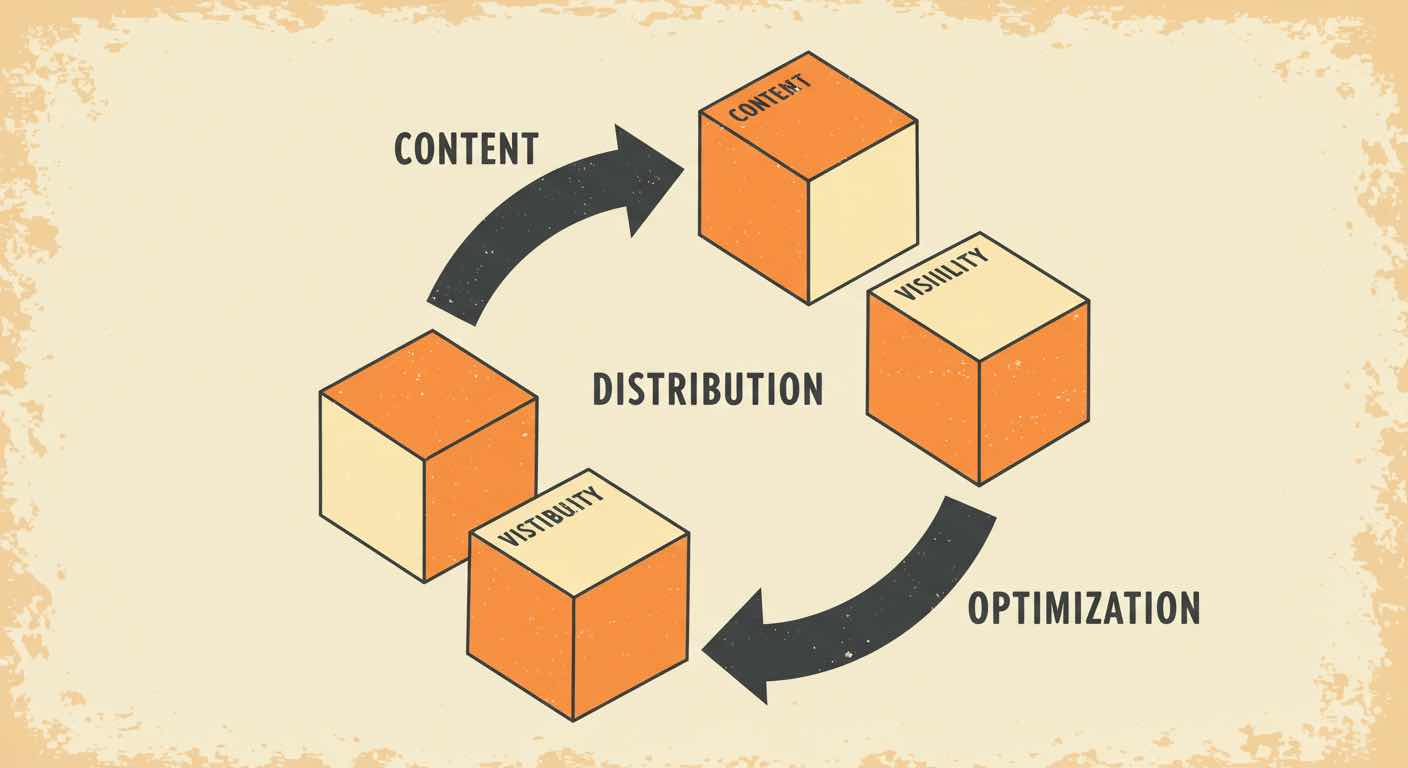
Beyond indexing, though, the primary technical SEO concern has become reporting. With AI search visibility being new, the lack of historical data, reference tools like Google Search Console, and massive attribution challenges, technical SEOs need to be able to report on AI search visibility directly from the AI services as part of the content → distribution → visibility → optimization loop.
How Technical SEOs Use Knowatoa
Knowatoa provides the technical insights you need to audit, monitor, and optimize your site’s accessibility to AI crawlers and search systems.
AI Crawler Audit
Knowatoa’s free AI Search Console instantly checks your robots.txt for AI crawler permissions. See which AI crawlers you’re allowing or blocking:
- GPTBot (ChatGPT)
- ClaudeBot (Anthropic)
- PerplexityBot
- Google-Extended (Gemini)
- And 15+ other AI crawlers
Get specific recommendations for each crawler based on your business goals.
Learn more about AI Search Console →
Indexing Verification
Just because you allow a crawler doesn’t mean you’re being indexed. Knowatoa monitors whether AI models are actually citing your content:
- Track citation frequency by AI platform
- Identify pages being cited vs. pages being ignored
- Compare indexing patterns across different AI services
Technical Health Monitoring
Monitor technical factors affecting AI visibility:
- Response codes: Ensure AI crawlers aren’t hitting errors
- Page speed: Slow pages may be deprioritized or skipped
- Content accessibility: JavaScript-heavy pages may not render properly for AI crawlers
- Canonical handling: Duplicate content can dilute AI visibility
Competitive Technical Analysis
Reverse-engineer competitor technical strategies:
- Which AI crawlers do competitors allow?
- How is competitor content structured?
- What citation patterns do competitors achieve?
Key Features for Technical SEO
These Knowatoa features are built for technical SEOs who need to understand and optimize the infrastructure side of AI search visibility.
AI Search Console
Instant analysis of your robots.txt configuration with AI-specific recommendations. Monitor which AI bots are crawling your site and detect technical issues that prevent access.
Multi-Model Coverage
Compare your technical performance across ChatGPT, Claude, Perplexity, Gemini, and other platforms. Different platforms may have different indexing of your site.
Accuracy Tracking
Verify the factual accuracy of AI responses about your brand. Monitor for misinformation, outdated details, and incorrect claims that AI models might generate.
Citation Tracking
See exactly which URLs AI models are citing. Identify which pages in your site architecture are earning visibility.
Integration with Existing Tools
Knowatoa fits seamlessly into your existing technical SEO workflow and reporting infrastructure.
- Google Sheets: Analyze data alongside other SEO metrics
- Looker Studio: Build custom dashboards
- API access: Pull data into your existing reporting infrastructure
- CSV exports: Ad-hoc analysis in your preferred tools
Getting Started
Start with the free AI Search Console to audit your current crawler configuration. Then set up a trial to track indexing and visibility across AI platforms. Technical SEOs typically see actionable insights within the first week.